2 hr 30 min
Beijing Evening Hutong Walk with Local Eats
Discover old Beijing after dark—lantern-lit alleys, authentic street bites, and Mongolian hot pot.
Reserve
Hand-picked by our editors — only the best 5 experiences from 47 reviewed.
Verified partners for every tour, free cancellation where available, and instant confirmation on every booking.
2 hr 30 min
Discover old Beijing after dark—lantern-lit alleys, authentic street bites, and Mongolian hot pot.
Reserve
3 hr 30 min
Discover authentic Beijing cuisine on a 3.5-hour walking adventure through historic alleyways
Reserve
3 hr
Explore Beijing's historic alleyways while sampling traditional street food and local delicacies
ReservePrices from verified partners. Availability updates in real time at checkout. Free cancellation policies apply where shown.
The landmarks, rooms, and views travelers on this tour remember — all visible on a single visit.
This massive structure serves as a key orientation point for the area, standing 47 meters tall.
Constructed in 1272, this landmark once housed a massive bronze bell for timekeeping.
A primary artery of the hutongs, this lane features over 700 years of history.
This former imperial pleasure ground now hosts vibrant evening activity and traditional teahouses.
They complement each other; most visitors who do both call the commercial route the more insightful choice for deep culinary history. Selecting a beijing hutong evening food tour allows for spontaneous exploration, whereas guided Beijing Hutong food excursions provide structured access to hidden local vendors.
| Feature | Top pick Independent Exploration | Commercial Guided Tours |
|---|---|---|
Flexibility |
Complete personal control | Fixed schedule and itinerary |
Curation |
Self-directed discovery | Expert-selected local delicacies |
Language Support |
None | Bilingual guide assistance |
Safety/Guidance |
Self-reliant | Professional navigation and oversight |
Cost Efficiency |
0 CNY (public access) | Typically 300–800 CNY per person |
Logistical Effort |
High (requires planning) | Low (fully managed service) |
| See tickets → |
Verdict: Choose the beijing hutong evening food tour tour for maximum freedom, or opt for guided beijing hutong evening food tour tours if you require language support and logistical expertise for your beijing hutong evening food tour tickets.
Choose your ticket, select your date, and reserve in under two minutes. Secure checkout handled by our verified partner.
Instant confirmation by email, with a mobile voucher you can save offline. No printing, no queuing at a collection desk.
Arrive at the entrance, show your voucher on your phone, and walk in. Most tickets include priority or skip-the-line access.
Practical details for your visit straight from our verified partners — hours, access, rules, and how to get there.
Dongcheng District
Main square entrance area
Use Line 8 to Shichahai Station for easy access to the area.
Casual and comfortable clothing is recommended for navigating these historic Beijing landmarks. Sturdy shoes are essential for uneven alleyway surfaces during your beijing hutong evening food tour.
Keep personal belongings secure in a crossbody bag while navigating crowded markets. Large luggage is not practical in narrow alleyways during a beijing hutong evening food tour.
Street photography is permitted in public spaces, but please respect the privacy of residents. Avoid intrusive flashes when documenting your beijing hutong evening food tour.
Many narrow lanes have uneven ground, which can make accessibility challenging for wheelchairs. A beijing hutong evening food tour may involve walking on historic surfaces.
Mobile phone signal is generally strong throughout the district. Ensure your device is charged for navigation during your beijing hutong evening food tour.
Families are welcome to explore these historic areas, though narrow paths require close supervision of children. An evening Beijing hutong food tour offers a unique cultural perspective for curious young travelers.
Local snacks are integral to the beijing hutong evening food tour experience. Always carry bottled water and be prepared for adventurous tasting menus.
Pets are generally not recommended due to crowded conditions and food service areas. Local residents may have specific rules regarding animals in residential zones.
The 0 CNY entrance fee applies to the public district. Most guided beijing hutong evening food tour tours provide set menus including local delicacies.
Best time to go, insider tips, nearby landmarks, and the cancellation fine print — flip through to skim what matters to you.
How crowds, weather, and events shift across the year.
September to October offers mild temperatures and clear evenings. Ideal for participating in a beijing hutong evening food tour without extreme heat or cold.
Small details that turn a good visit into a great one.
Aim for the 18:00–21:00 window to enjoy the peak street food atmosphere. Late arrivals may miss some vendor options during your beijing hutong evening food tour.
Non-bookable sights within a short walk — free to visit, easy to pair.
A massive historic tower offering views of the city.
Historically paired with the nearby Drum Tower for timekeeping.
A scenic water area surrounded by traditional architecture.
A famous lane known for preserved architecture and small shops.
Flexible, no hidden fees.
As this is a public area, no tickets are required for entry. If booking a third-party beijing hutong evening food tour tour, please refer to your specific operator's policy.
Hand-picked options within walking distance — pick a district for vibe, or a specific hotel for convenience.
A stylish property located inside a traditional courtyard.
Authentic stay options within walking distance.
General hotel zone near central transit hubs.
Beijing's hutong network predates the Forbidden City. These latticed alleyways were laid out during the Yuan Dynasty in the thirteenth century, their east-west orientation determined by feng shui principles and imperial decree. The word hutong derives from the Mongolian hottog, meaning well — early settlements clustered around shared water sources. By the Ming era, more than six thousand named hutongs formed the connective tissue of the capital, each lane housing courtyard homes where extended families lived behind grey brick walls. Dongcheng District retains the densest concentration of intact hutongs, many now protected under municipal conservation orders that prohibit demolition and regulate façade alterations. Today these alleyways function as open-air dining rooms. Street vendors operate from dusk until late, grilling lamb skewers over charcoal braziers, ladling noodles from steaming cauldrons, frying jianbing on circular griddles. The cuisine is unadorned — northern Chinese staples refined over generations. Hotpot restaurants occupy former courtyard homes, their red lanterns marking entrances through moon gates. Craft beer taprooms have appeared in converted siheyuan compounds, wooden beams and tile roofs preserved while interiors house stainless fermentation tanks. The juxtaposition is deliberate: operators lease heritage structures under agreements that mandate architectural conservation. A Beijing hutong evening food tour navigates this layered geography, moving between registered street food stalls and licensed courtyard restaurants, the route determined by seasonal produce and vendor availability rather than fixed itinerary. Peking duck remains the anchor dish. Traditional preparation requires air-dried birds roasted in wood-fired ovens, skin lacquered with maltose syrup until it achieves glass-like crispness. Hutong establishments serve it family-style — whole ducks carved tableside, meat and skin wrapped in paper-thin pancakes with scallion, cucumber, and hoisin. Fifteen-tasting formats sequence small plates: spiced tofu, sesame noodles, pickled vegetables, sugar-coated hawthorn berries. These tours operate year-round, the alleyways accessible without entry fees, the optimal arrival window between six and nine in the evening when vendors complete setup and foot traffic peaks. The experience is transactional — payment exchanges hands at each stop, no intermediary ticketing required — but the culinary narrative is centuries deep, rooted in courtyard architecture and imperial-era trade routes that brought spices and techniques from across northern China into these narrow, lamplit lanes.
"The word hutong derives from the Mongolian hottog, meaning well — early settlements clustered around shared water sources."
A step-by-step walkthrough of the visit — what you'll see, how long each stage takes, and the details that matter.
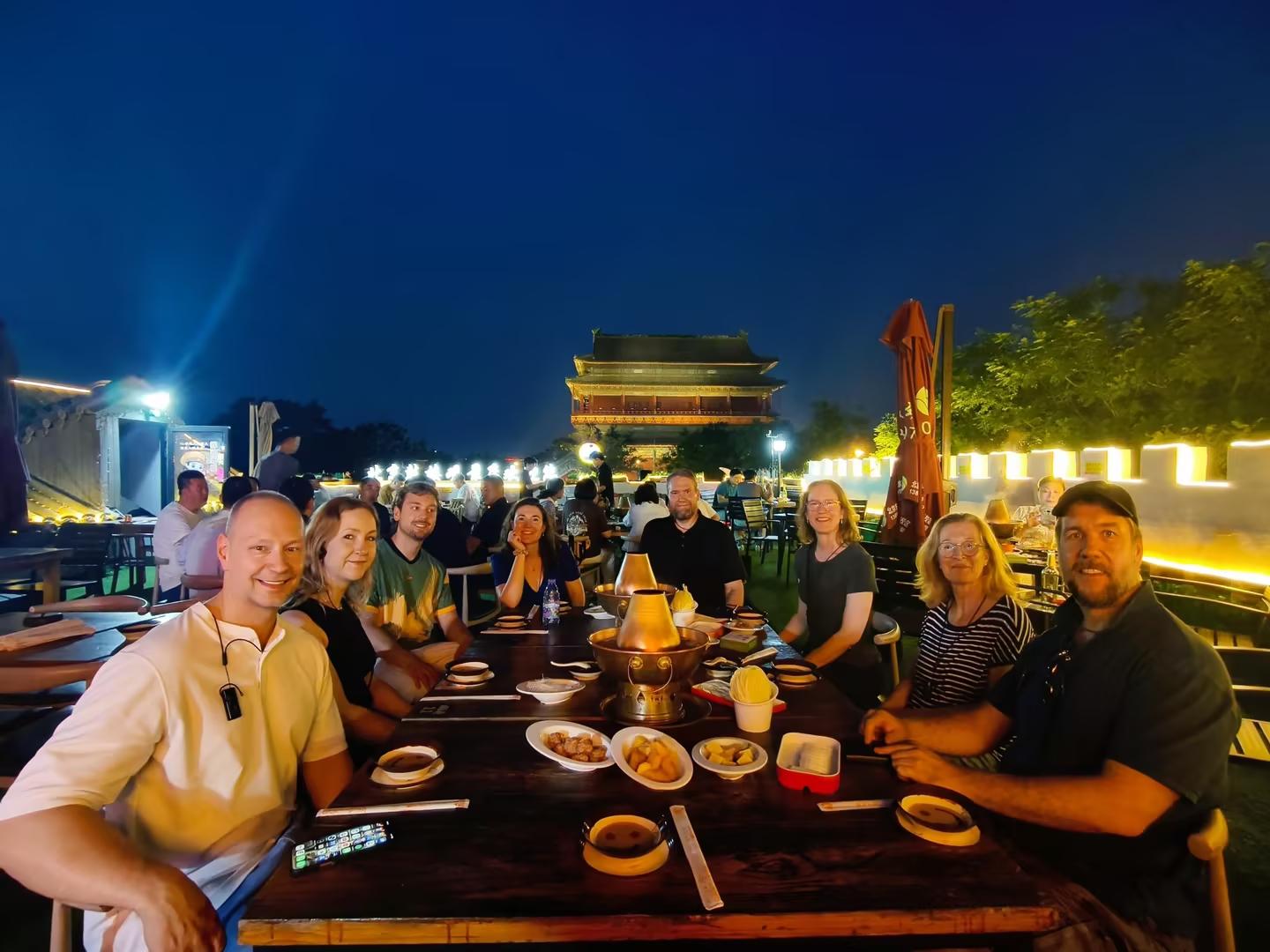
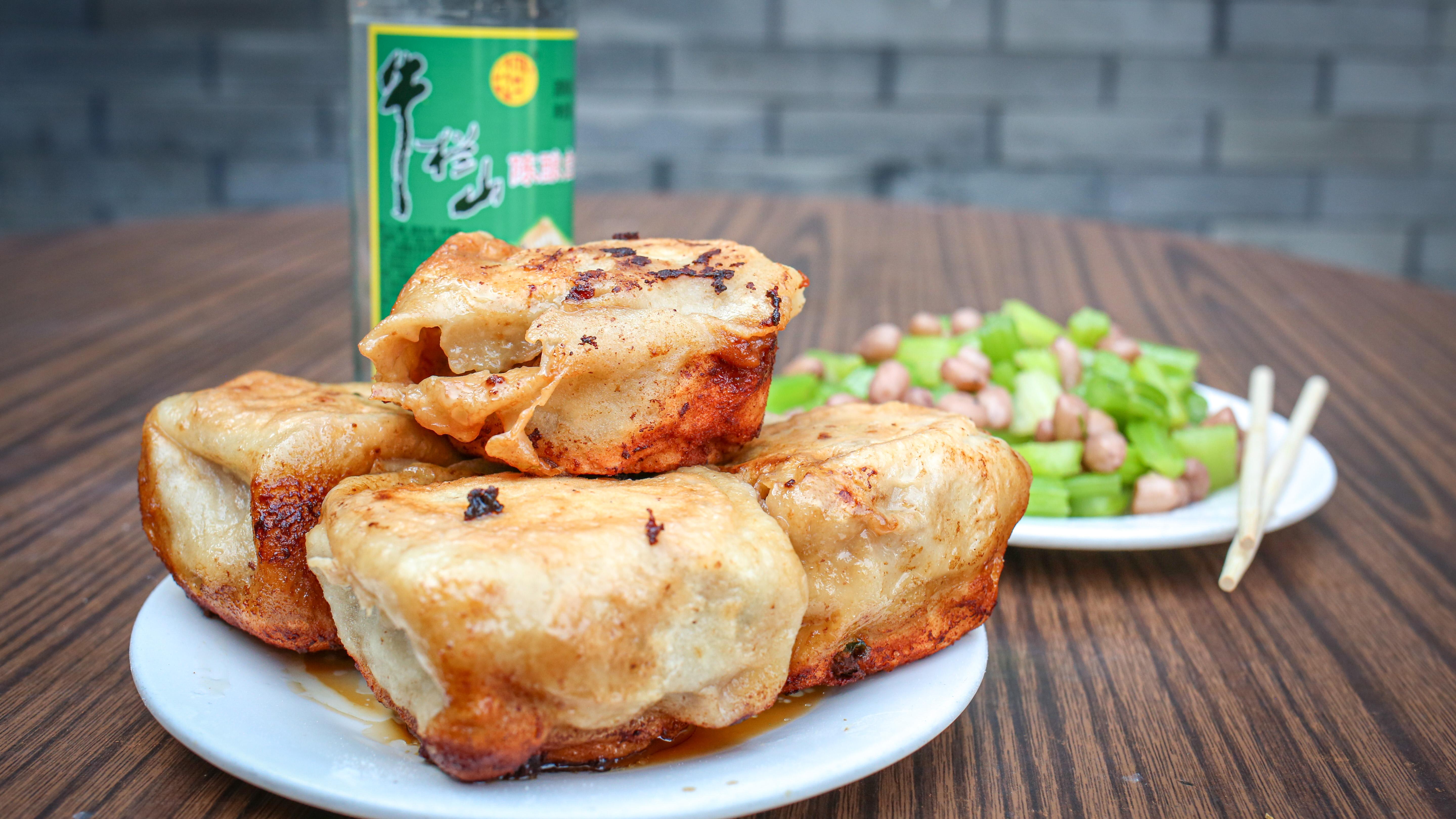
You enter the hutongs from Nanluoguxiang at dusk, the alleyway narrowing as you move east into Dongcheng's residential core. Your guide stops at a charcoal grill where a vendor fans lamb skewers, cumin and chili powder blackening on the edges. You eat standing, grease on your fingers, the meat chewy and saline. Three lanes further, you duck through a moon gate into a courtyard restaurant. Low stools circle a bubbling hotpot cauldron. You add sliced beef, mushrooms, glass noodles, waiting for the broth to return to a rolling boil before fishing out pieces with wire baskets. The guide pours craft beer from a local brewery, the hops sharp against the numbing Sichuan peppercorns in the broth. The route continues to a jianbing stand where a woman spreads batter across a griddle with a wooden spatula, cracking an egg directly onto the surface. She folds the pancake around fried wonton crisps and scallions, handing it to you wrapped in paper. You walk while eating, turning down side alleys lit by red lanterns. The final stop is a Peking duck restaurant in a restored siheyuan. The whole bird arrives on a wooden board, skin crackling under the cleaver. You assemble your own wraps, layering meat and skin with hoisin and cucumber batons. The tour ends near Houhai Lake, the hutongs opening onto the water, reflected lanterns stretching across the surface.
The district is public and accessible 24 hours, though the best atmosphere is found between 18:00–21:00. Your beijing hutong evening food tour may follow specific vendor schedules.
No, there is a 0 CNY entrance fee as these are public areas. You only pay for private beijing hutong evening food tour tours.
Yes, families are welcome. A beijing hutong evening food tour provides a great way to introduce children to local culture.
Bring comfortable walking shoes, cash, and a camera. Your beijing hutong evening food tour involves significant walking.
No formal dress code, but modest, comfortable clothing is best for visiting Beijing landmarks.
Yes, photography is allowed in public areas. Please remain respectful during your beijing hutong evening food tour.
Use public transport to Dongcheng District. Many beijing hutong evening food tour tours include specific meeting instructions.
Most vendors on a beijing hutong evening food tour are local staples, but stick to busy stalls for freshness.
Check your operator policy. The public district itself has no fee or cancellation requirement for a beijing hutong evening food tour.