2 hr 30 min
Beijing Night Hutong & Street Food Walking Tour
Discover traditional Beijing alleyways after dark with optional authentic local cuisine and hot pot
Reserve
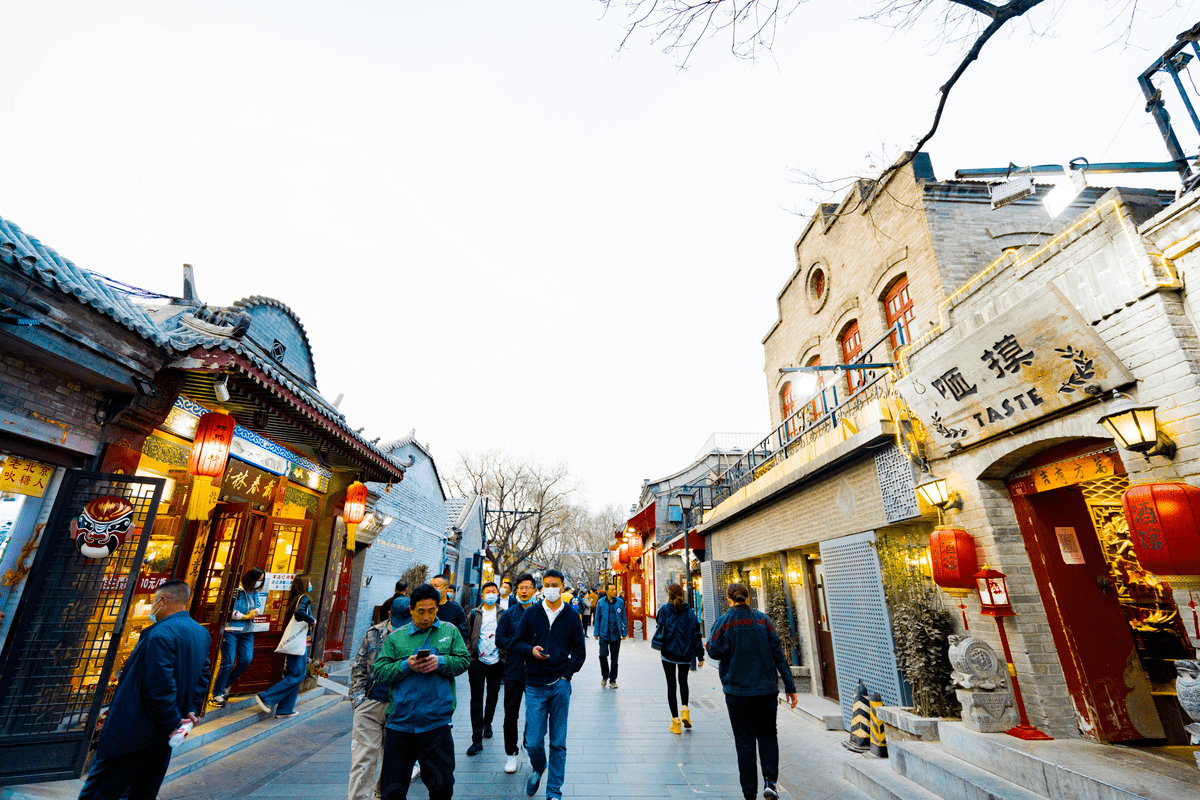
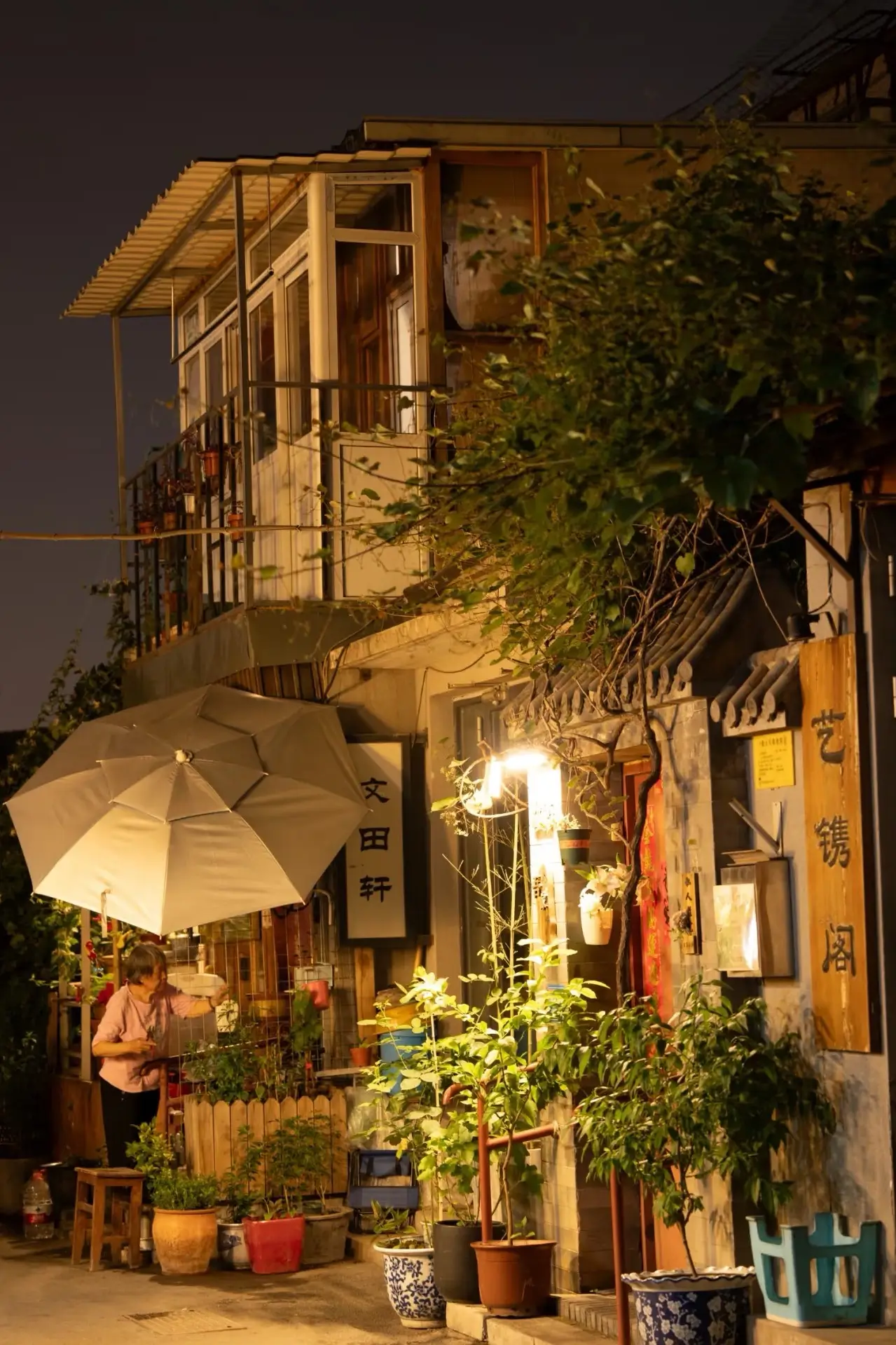
Street vendors and hidden courtyards, where dumpling steam meets centuries-old stone.
Hand-picked by our editors — only the best 12 culinary experiences from 47 reviewed.
Verified partners for Beijing Hutong Food tours, free cancellation where available, and instant confirmation on every booking.
2 hr 30 min
Discover traditional Beijing alleyways after dark with optional authentic local cuisine and hot pot
Reserve
3 hr
Explore historic Beijing alleyways while sampling traditional street food and learning local dining customs
Reserve
3 hr 30 min
Savor authentic Beijing cuisine and craft beer while exploring historic alleyways on this evening culinary walk
ReservePrices from verified partners. Availability updates in real time at checkout. Free cancellation policies apply where shown.
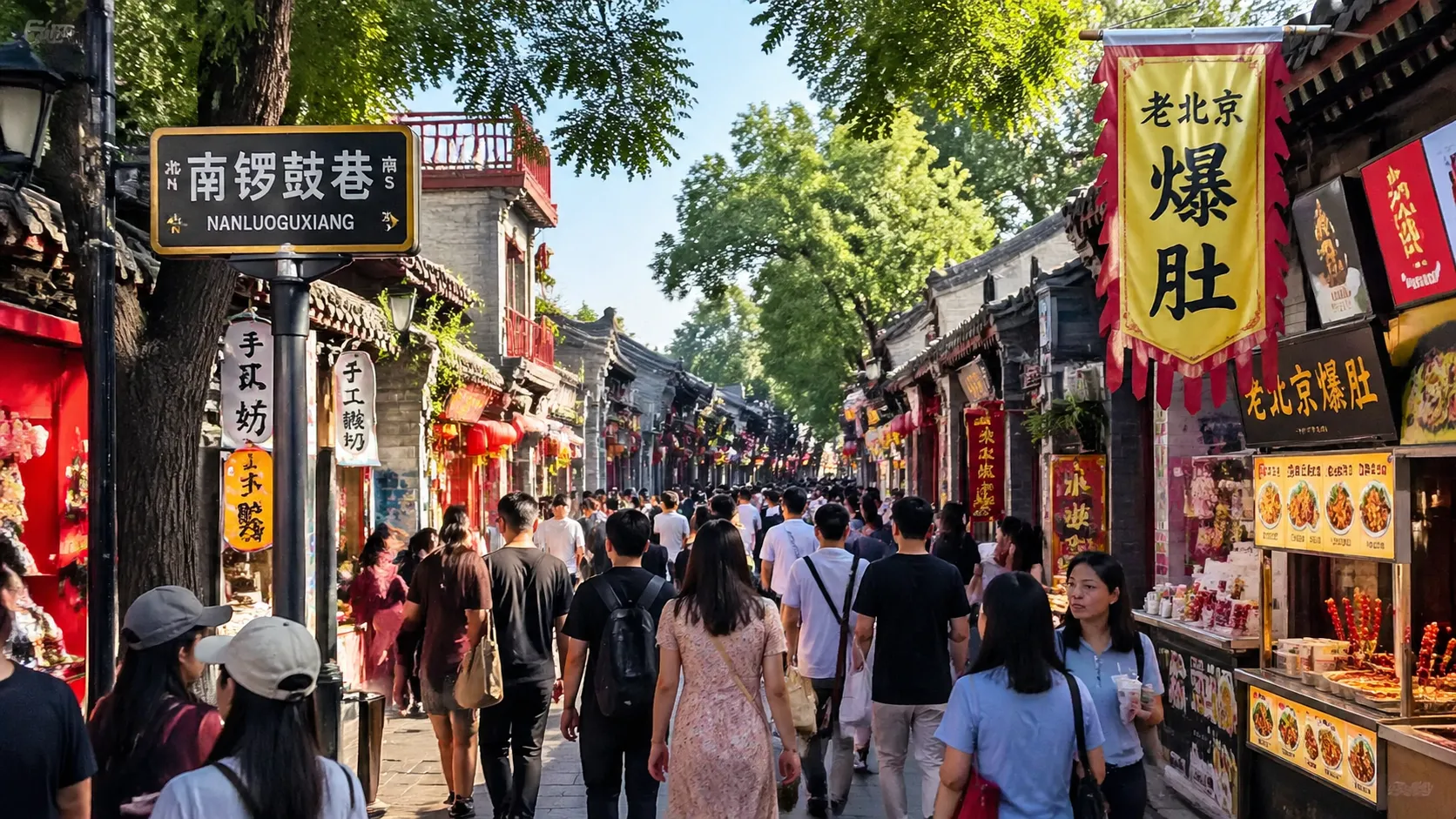
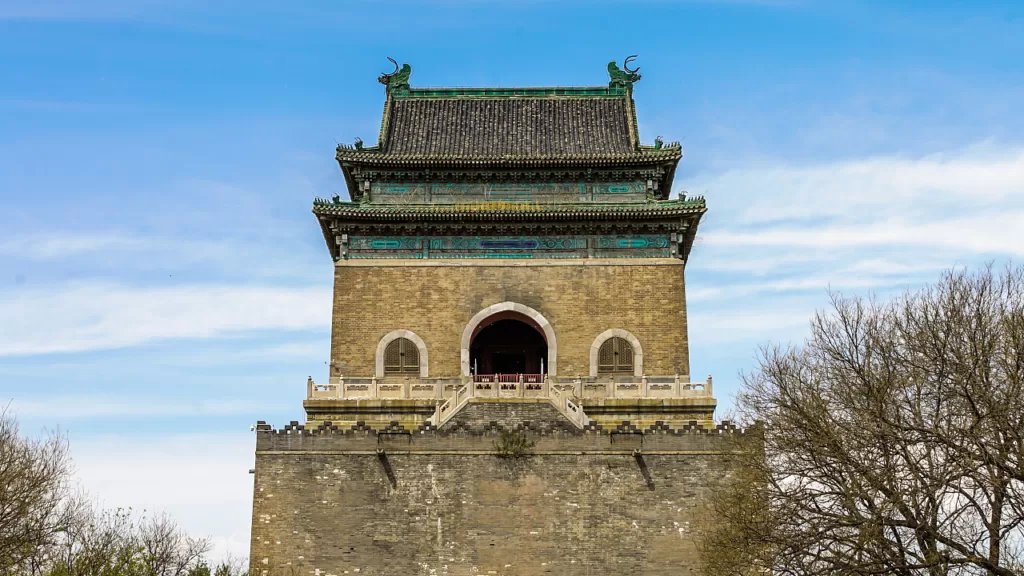
The landmarks, rooms, and views travelers on Beijing Hutong Food tours remember — all visible on a single visit.
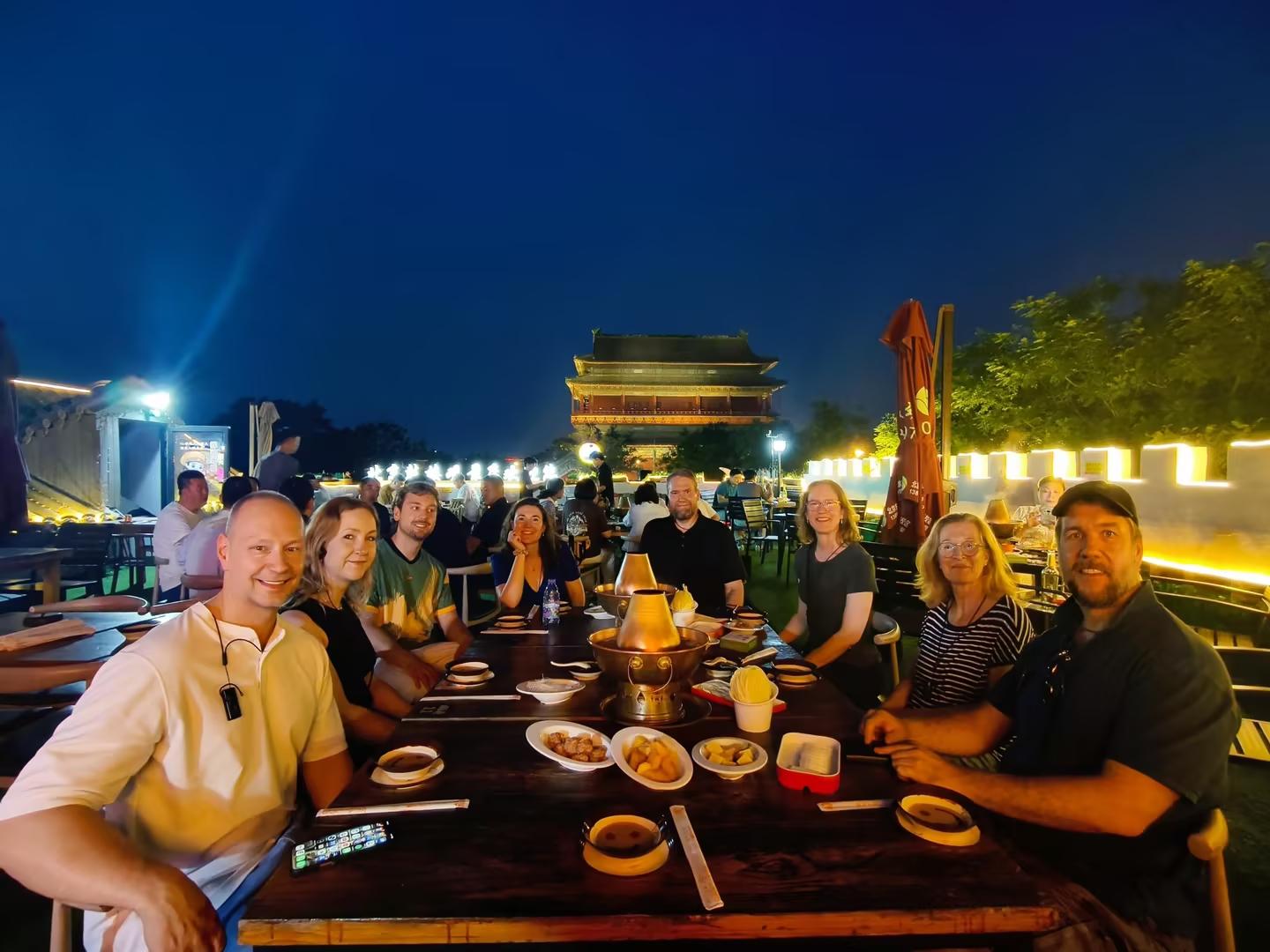
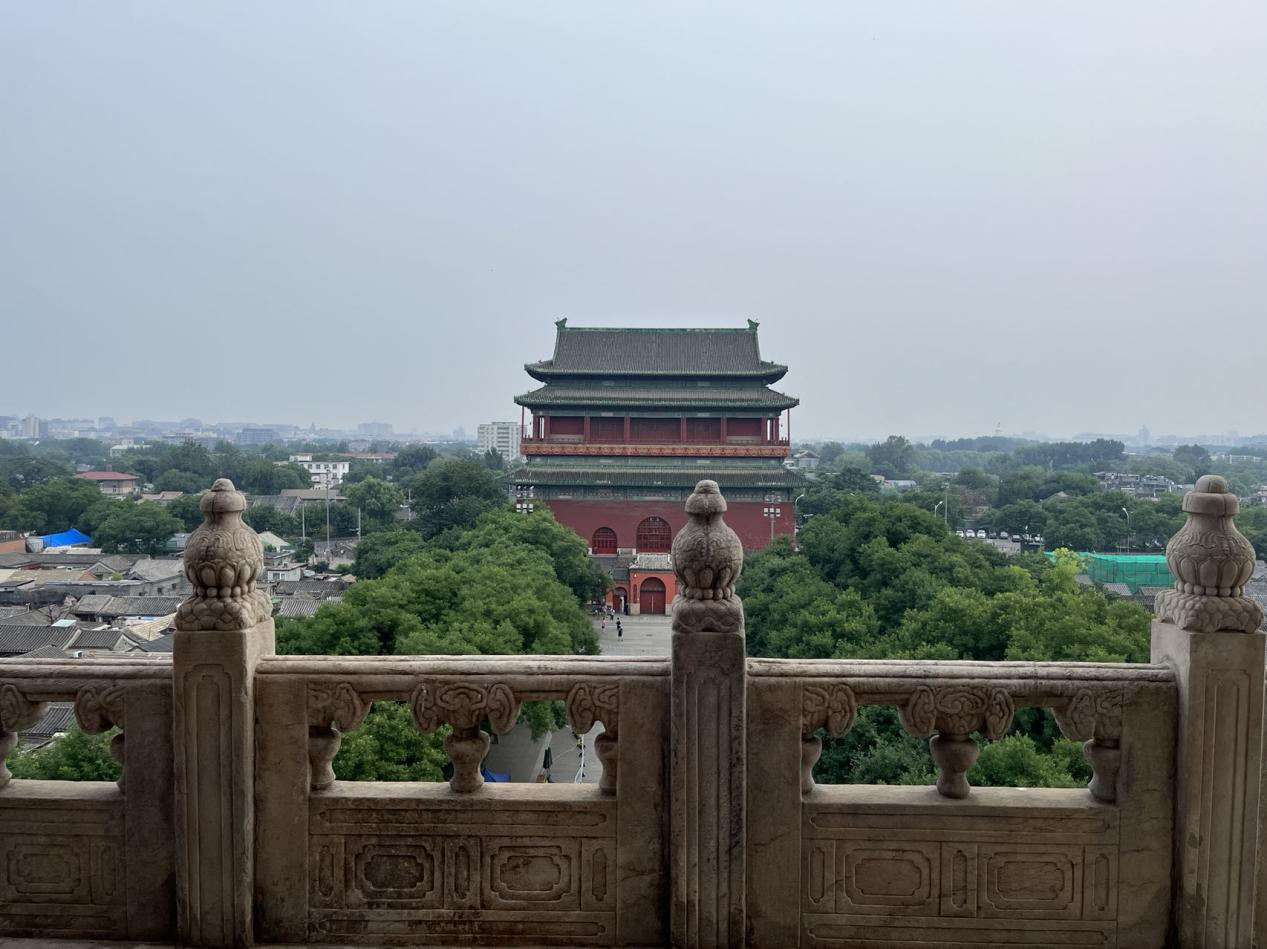
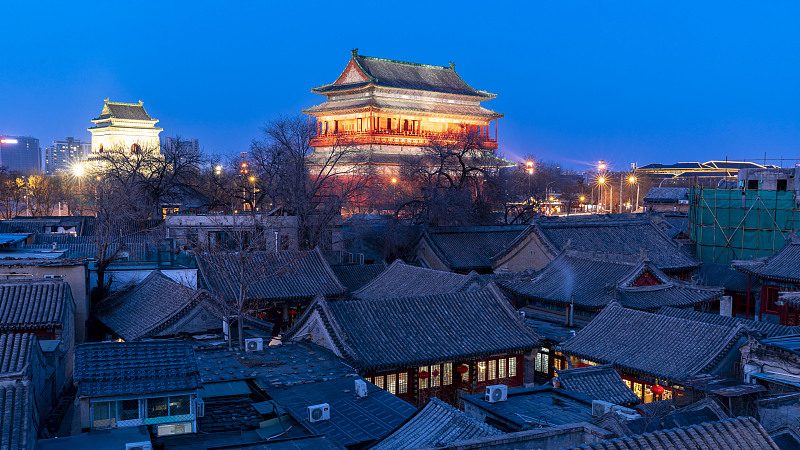
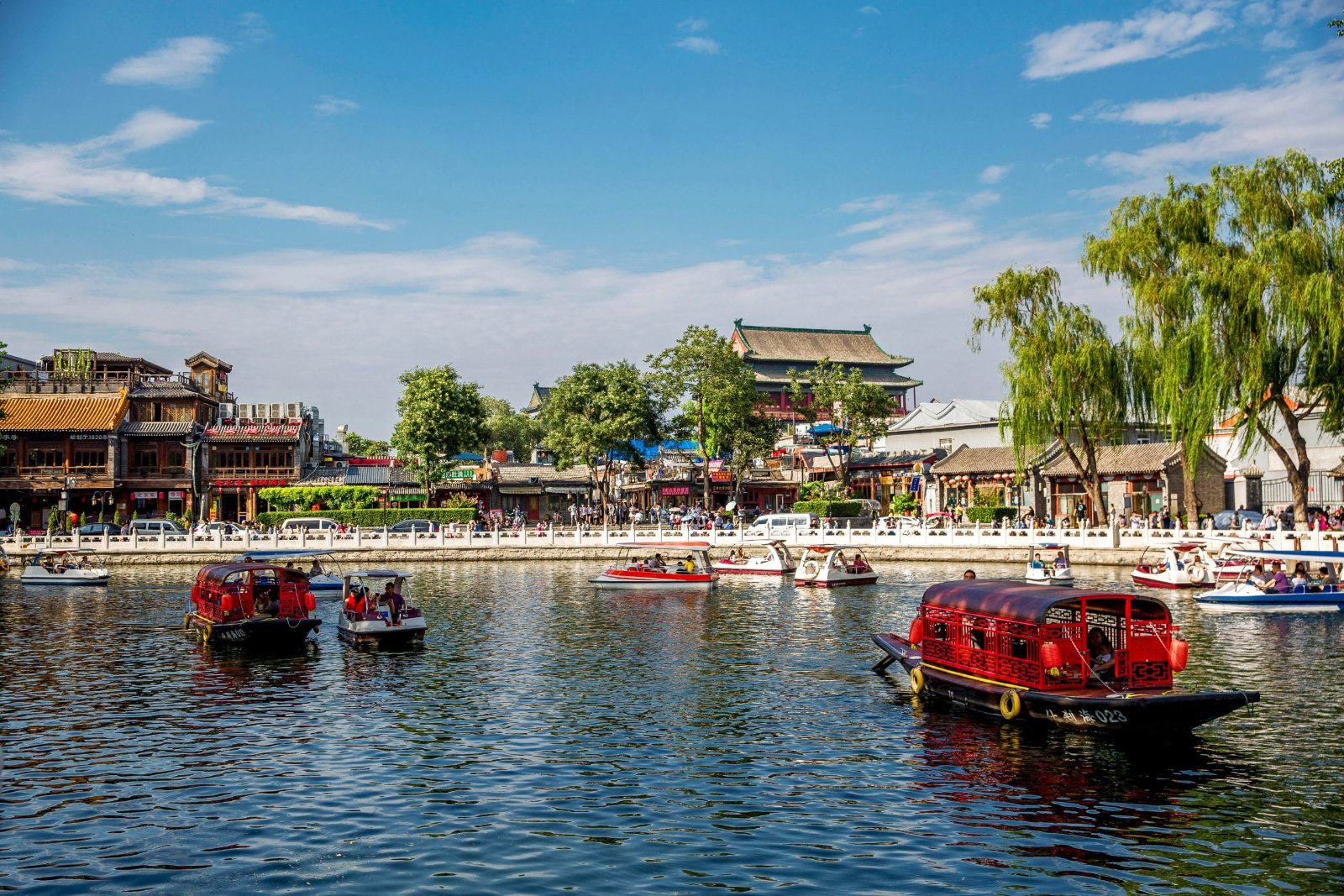
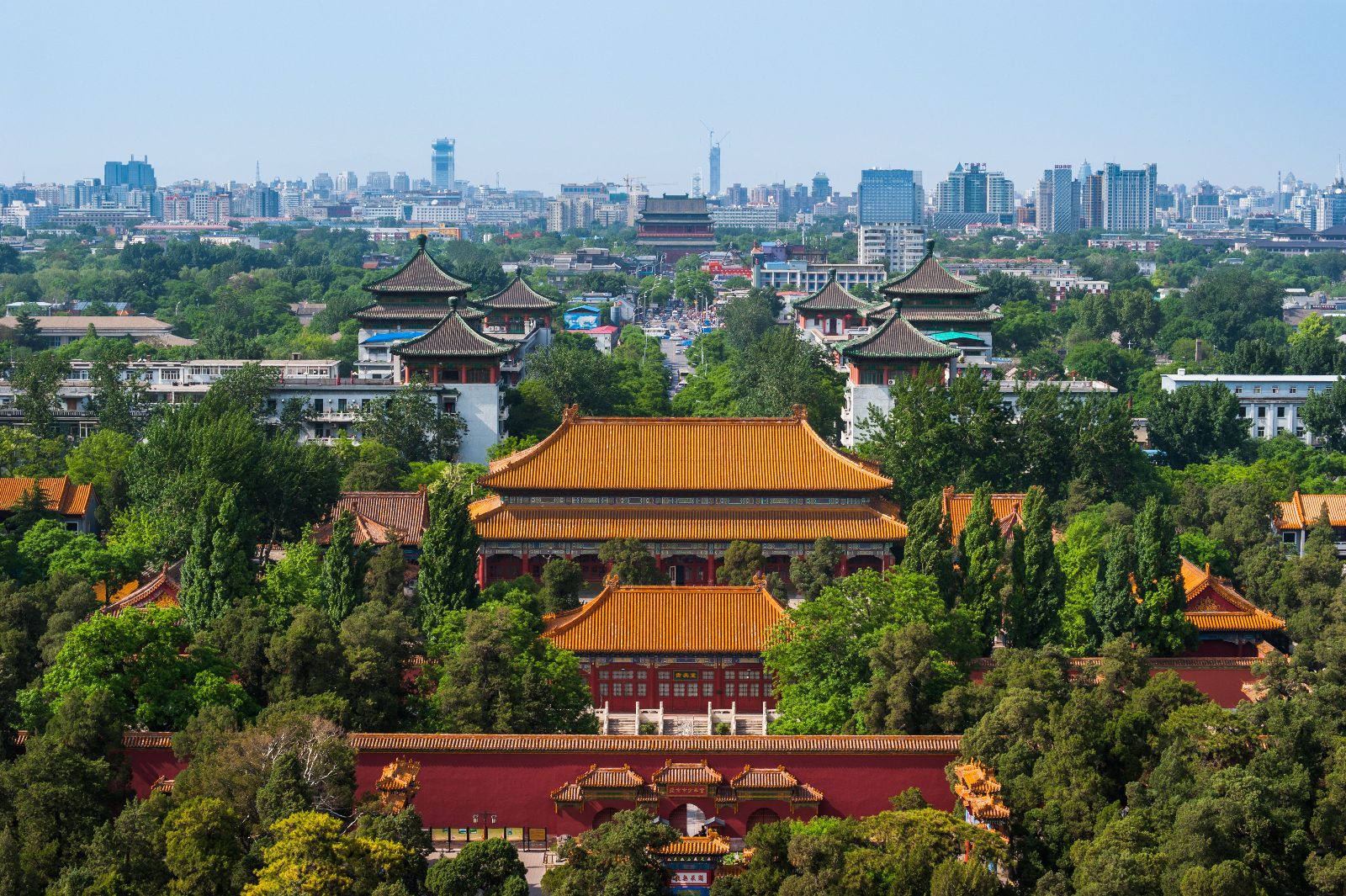
This massive structure once served as the city's timekeeper with 24 drums. It overlooks the bustling alleyway food markets.
This is one of the oldest hutongs in the city, dating back over 700 years. It serves as a central hub for many culinary experiences.
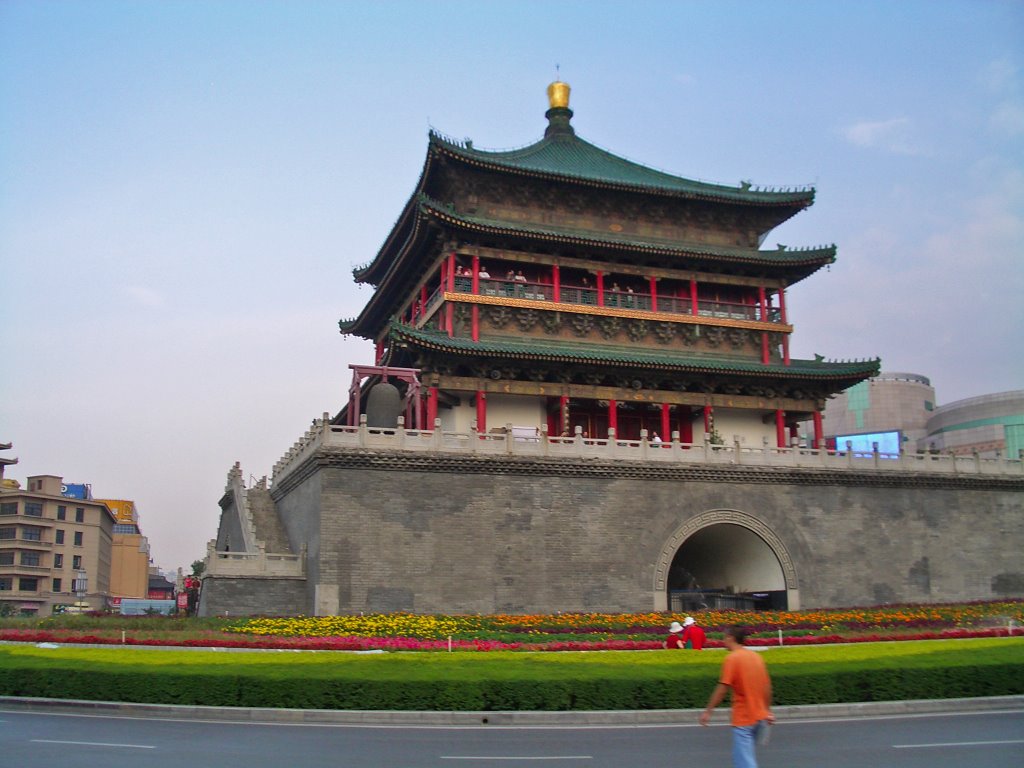
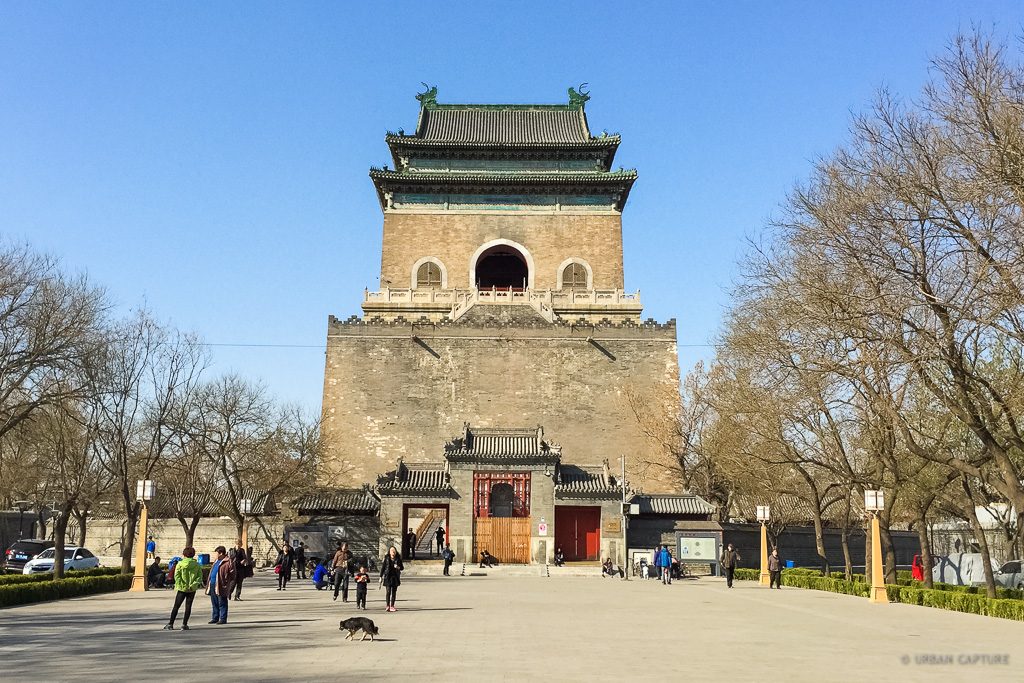
Located just north of the Drum Tower, this site features a massive bronze bell. It remains an iconic landmark of the local district.
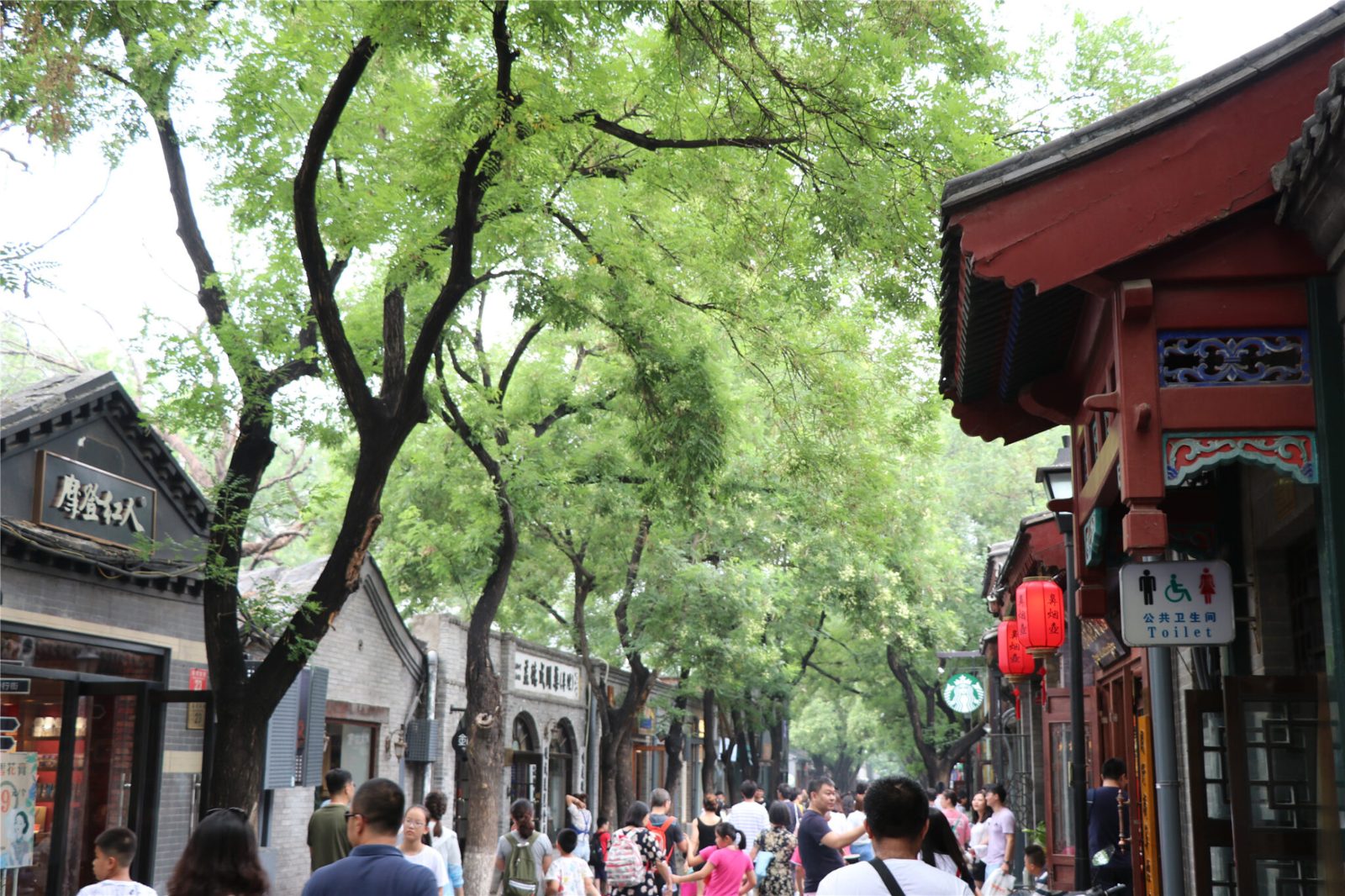
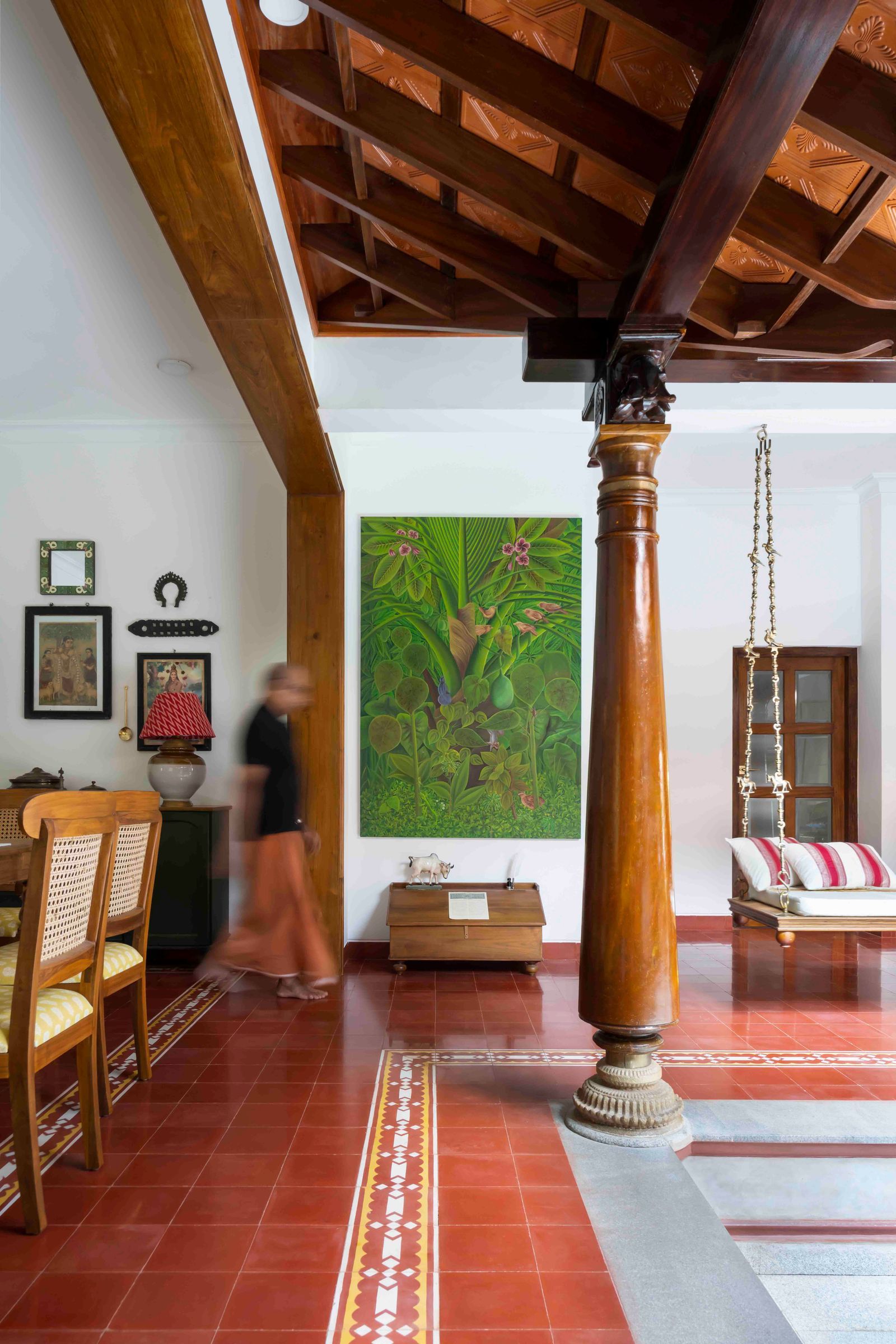
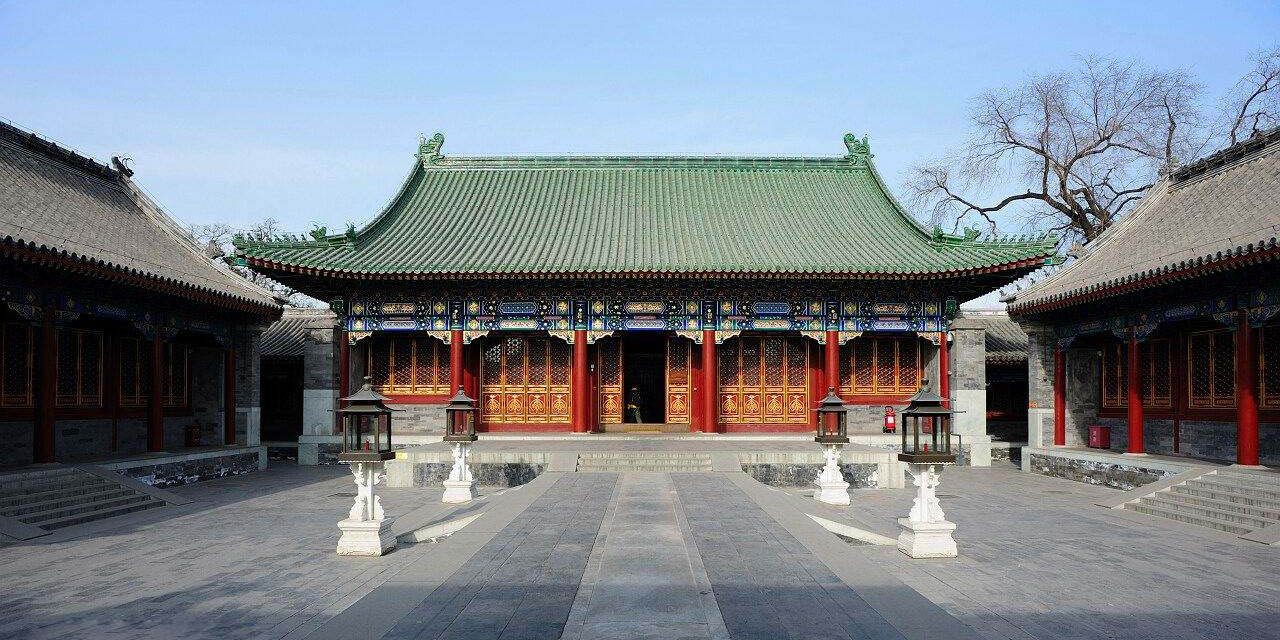
These historical residences define the character of the Beijing Hutongs. Many feature intricate woodwork and central courtyards.
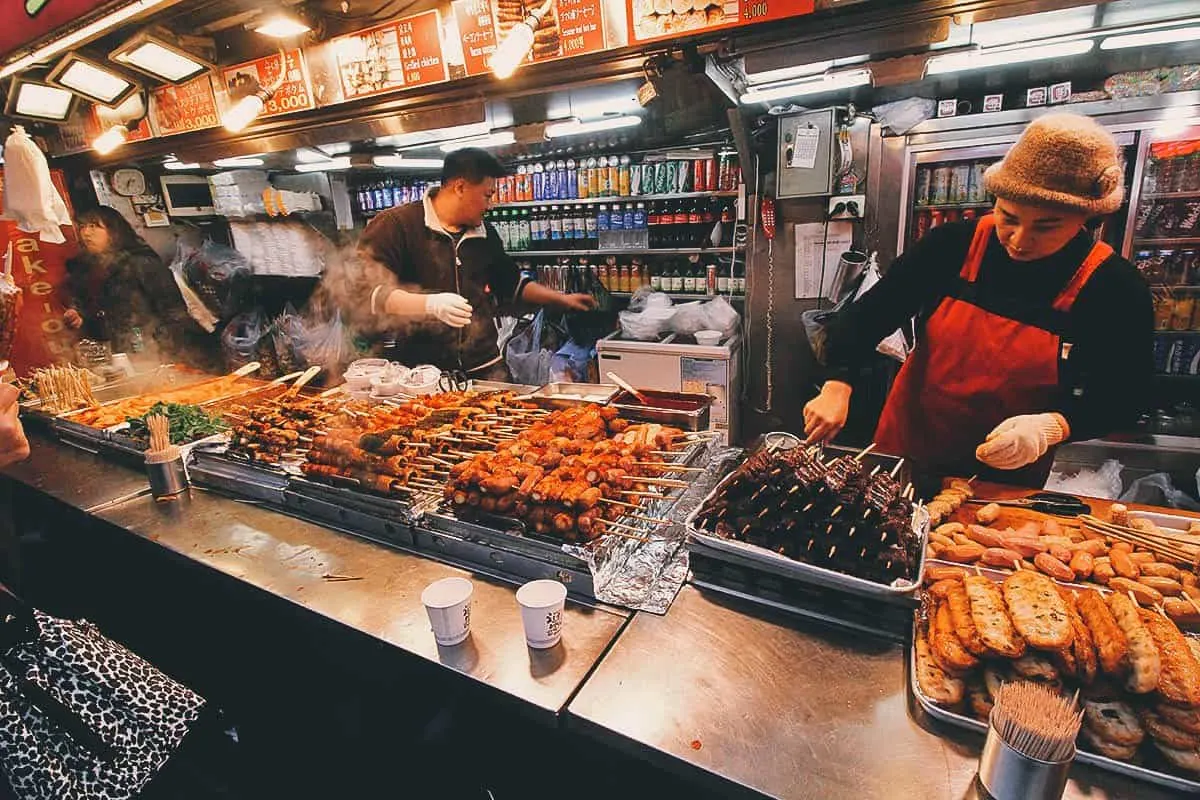
These small, family-run kiosks offer authentic snacks. They are essential to the experience of a beijing hutong food tour.
Every Beijing Hutong Food tour side-by-side — duration, what's included, how you redeem.
| Experience | Duration | Rating | Pickup | Guide | Small group | Free cancel. | Price | |
|---|---|---|---|---|---|---|---|---|
|
Guided Experience Most popular
Beijing Night Hutong & Street Food Walking Tour
|
2 hr 30 min | ★ 4.8 | — | ✓ | ✓ | ✓ | €18 | Book → |
|
Premium Combo
Hutong Food Walking Tour with 15+ Authentic Tastings
|
3 hr | ★ 4.9 | ✓ | ✓ | — | ✓ | €63 | Book → |
|
Standard Entry
Hidden Gems Food Tour Through Beijing's Hutongs
|
3 hr 30 min | ★ 4.9 | — | ✓ | ✓ | ✓ | €66 | Book → |
All prices from verified partners. Availability and exact terms confirmed at checkout.
Organized tours provide cultural context for local street food, while self-guided walks allow for personal pace and spontaneous discovery of these historic Beijing landmarks.
| Feature | Top pick Guided Food Tour | Self-Guided Exploration |
|---|---|---|
Structure and Guidance |
Curated route with local guide | Unstructured independent navigation |
Hidden Gem Accessibility |
Expert-led to specialized vendors | Discovery via public map resources |
Social Experience |
Group engagement with fellow travelers | Private experience with companions |
Logistics Management |
Handled by tour operator | Requires personal navigation efforts |
Cost |
Paid service with bundled fees | Free (individual food purchases extra) |
Independence |
Fixed schedule and group pace | Complete flexibility to linger |
| See tickets → |
Verdict: Choose a beijing hutong food tour for curated insights, or opt for self-guided exploration to enjoy the freedom of these ancient alleys at your own rhythm.
Choose your ticket, select your date, and reserve in under two minutes. Secure checkout handled by our verified partner.
Instant confirmation by email, with a mobile voucher you can save offline. No printing, no queuing at a collection desk.
Arrive at the entrance, show your voucher on your phone, and walk in. Most tickets include priority or skip-the-line access.
Practical details for Beijing Hutong Food tickets straight from our verified partners — hours, access, rules, and how to get there.
Dongcheng District, Beijing
Common start for a beijing hutong food tour
Open in Google MapsTake Subway Line 6 or 8 to Nanluoguxiang Station.
Request drop-off at the entrance of the target Hutong.
Dress in comfortable walking shoes and weather-appropriate layers. As a public space, casual clothing is standard for any beijing hutong food tour.
Keep belongings secure as these areas are crowded. There are no security checkpoints for a standard beijing hutong food tour.
Street photography is encouraged, but respect the privacy of residents. Avoid taking photos of private home interiors during your beijing hutong food tour.
Navigating a beijing hutong food tour involves uneven stone surfaces. Some alleys are narrow and may be difficult for wheelchairs.
Mobile phone signal is generally strong throughout the Dongcheng District. Use mobile maps to track your route during a self-guided beijing hutong food tour.
Families are welcome, though beijing hutong food tour paths can be crowded. Strollers should be compact to navigate narrow alleys.
The area is famous for street food. Purchase items directly from vendors during your beijing hutong food tour, ensuring you bring cash.
Pets should be kept on a leash at all times. Be mindful of local regulations regarding animals in food service areas.
Always maintain a polite demeanor with local residents. The Beijing Hutongs are living neighborhoods, not just tourist sites.
Dongcheng District, Beijing
Common start for a beijing hutong food tour
Get directions
Best time to go, insider tips, nearby landmarks, and the cancellation fine print — flip through to skim what matters to you.
How crowds, weather, and events shift across the year.
September to October offers crisp air and comfortable temperatures, perfect for outdoor food exploration.
April to May provides pleasant weather before the summer heat arrives.
Expect high temperatures and humidity; stay hydrated during your beijing hutong food tour.
Cold temperatures require warm clothing, though crowds are significantly thinner.
Small details that turn a good visit into a great one.
Visit during the 11:00 arrival window to beat the lunch rush.
Small food vendors in the hutongs often prefer cash over digital payment.
Do not enter residential courtyards during your beijing hutong food tour.
Follow the scent of traditional snacks to find the most popular stalls.
The stone paths require sturdy footwear for a full day of touring.
Non-bookable sights within a short walk — free to visit, easy to pair.
Ancient structure located near the Drum Tower. Visitors can view the exterior architecture.
Scenic area surrounded by historical lanes. Great for relaxing after a beijing hutong food tour.
Well-preserved imperial residence with traditional gardens.
Offers elevated views of the Forbidden City.
Flexible, no hidden fees.
Public hutong access is free, meaning there is no entrance fee or cancellation policy to manage. If booking a private beijing hutong food tour, verify the operator's specific cancellation terms.
Hand-picked options within walking distance — pick a district for vibe, or a specific hotel for convenience.
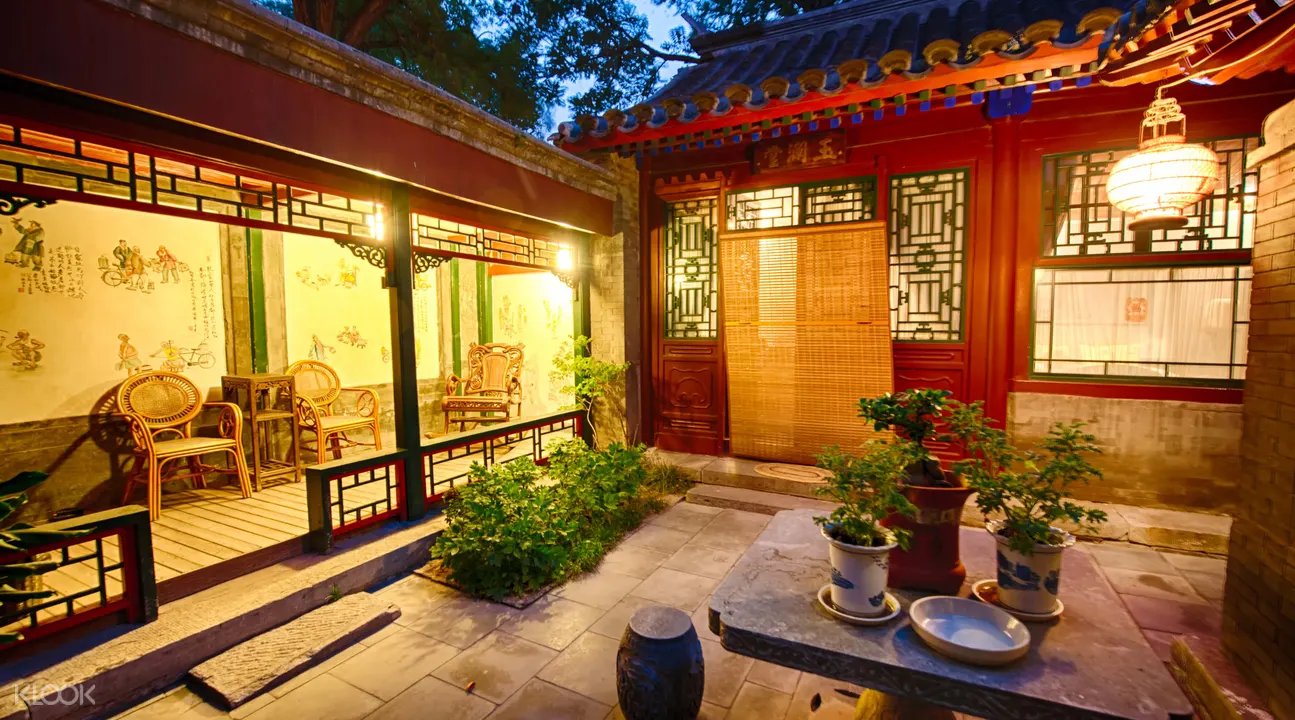
Traditional courtyard style hotel in the Dongcheng District.
Simple and accessible lodging for tourists.
Various apartment-style stays throughout the local area.
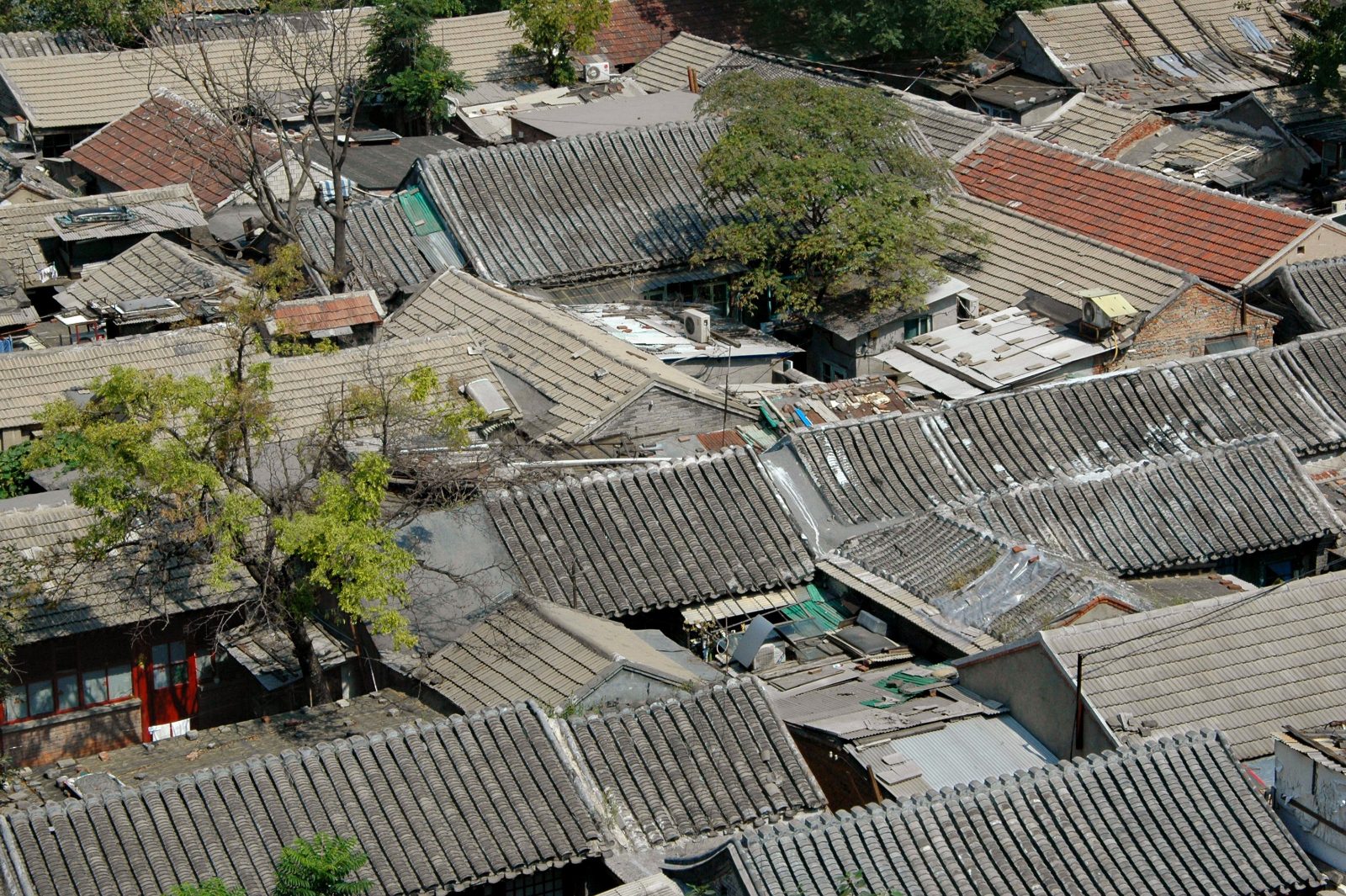
The term hutong derives from the Mongolian word hottog, meaning water well, and by the Yuan Dynasty these narrow alleys formed the arterial grid of residential Beijing.
At their peak in the 1950s, over six thousand hutongs threaded through the capital, each named for the trades, temples, or families that anchored their courtyards. Today fewer than a thousand remain intact, preserved pockets where courtyard homes retain their original grey-brick walls and residents still gather around communal taps. Nanluoguxiang, one of the oldest preserved hutongs, dates to 1267 and retains its fishbone layout—a central spine with symmetrical residential branches.
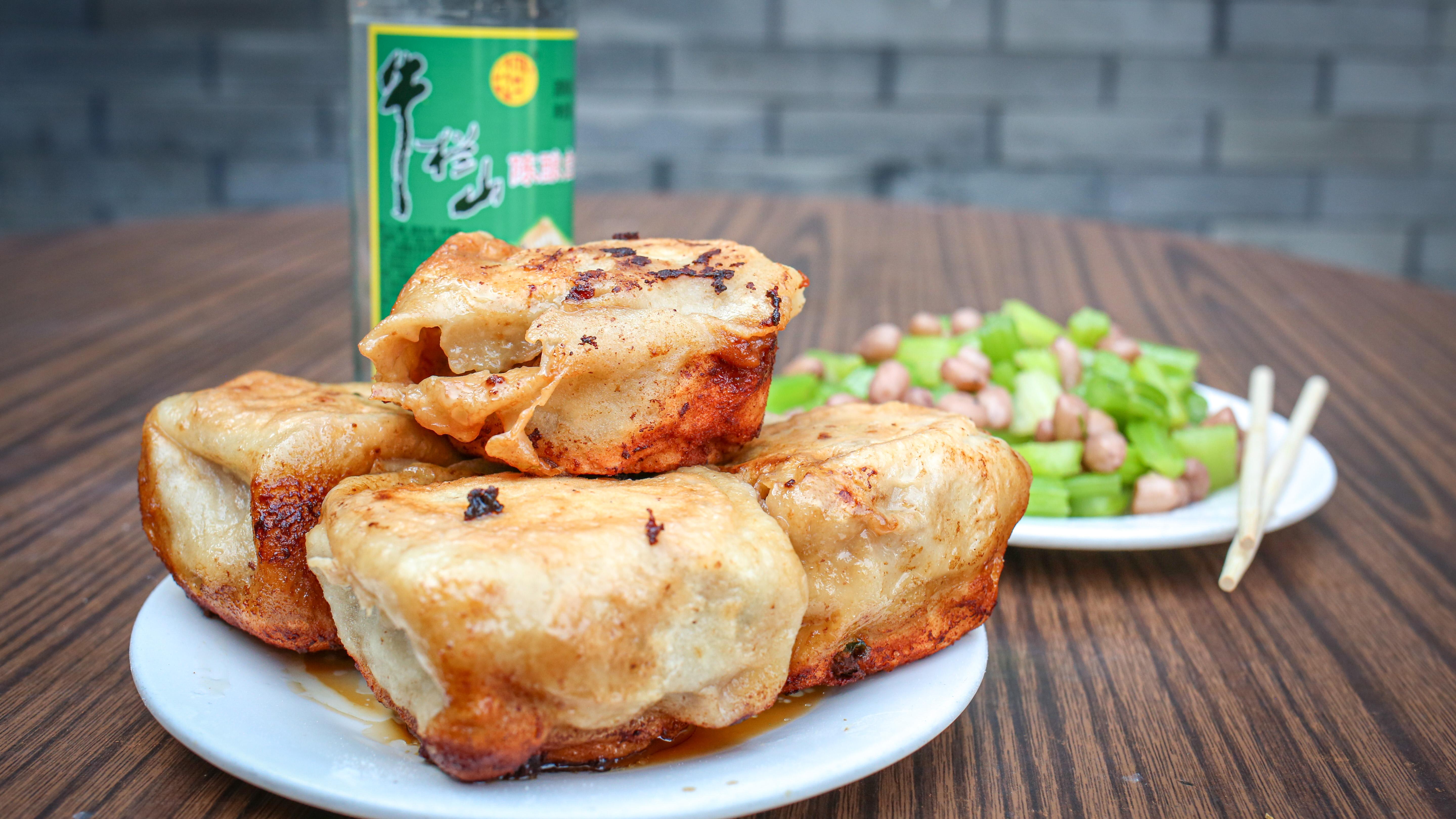
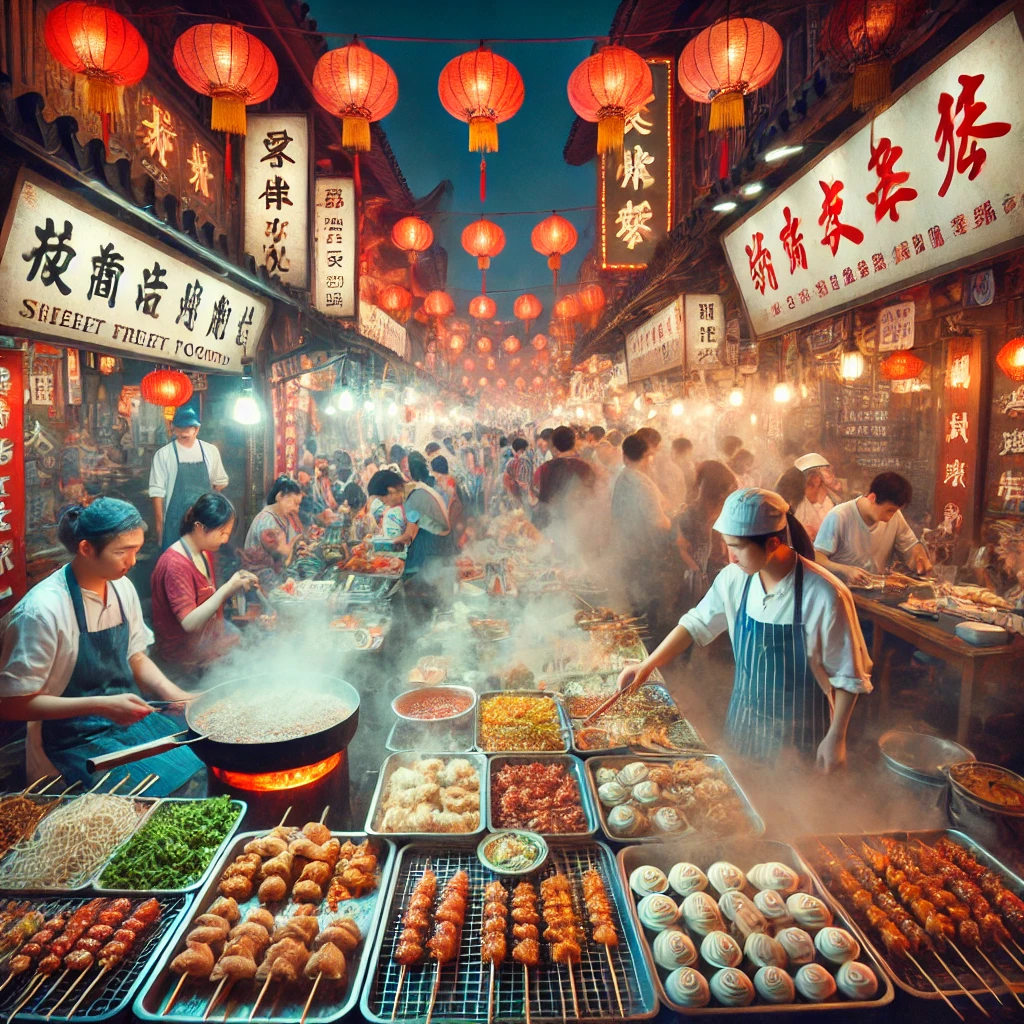
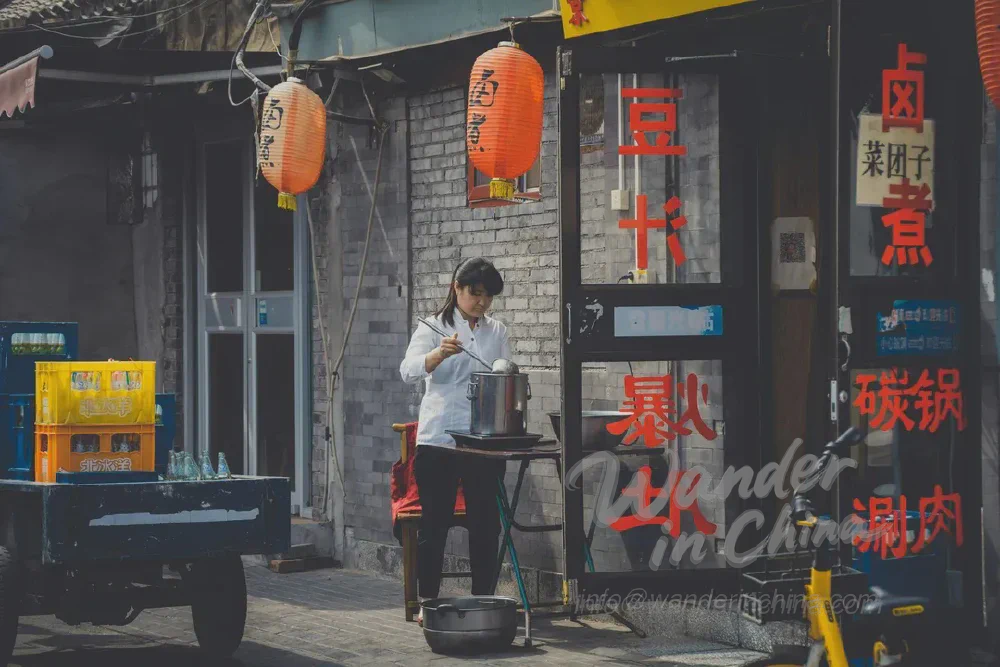
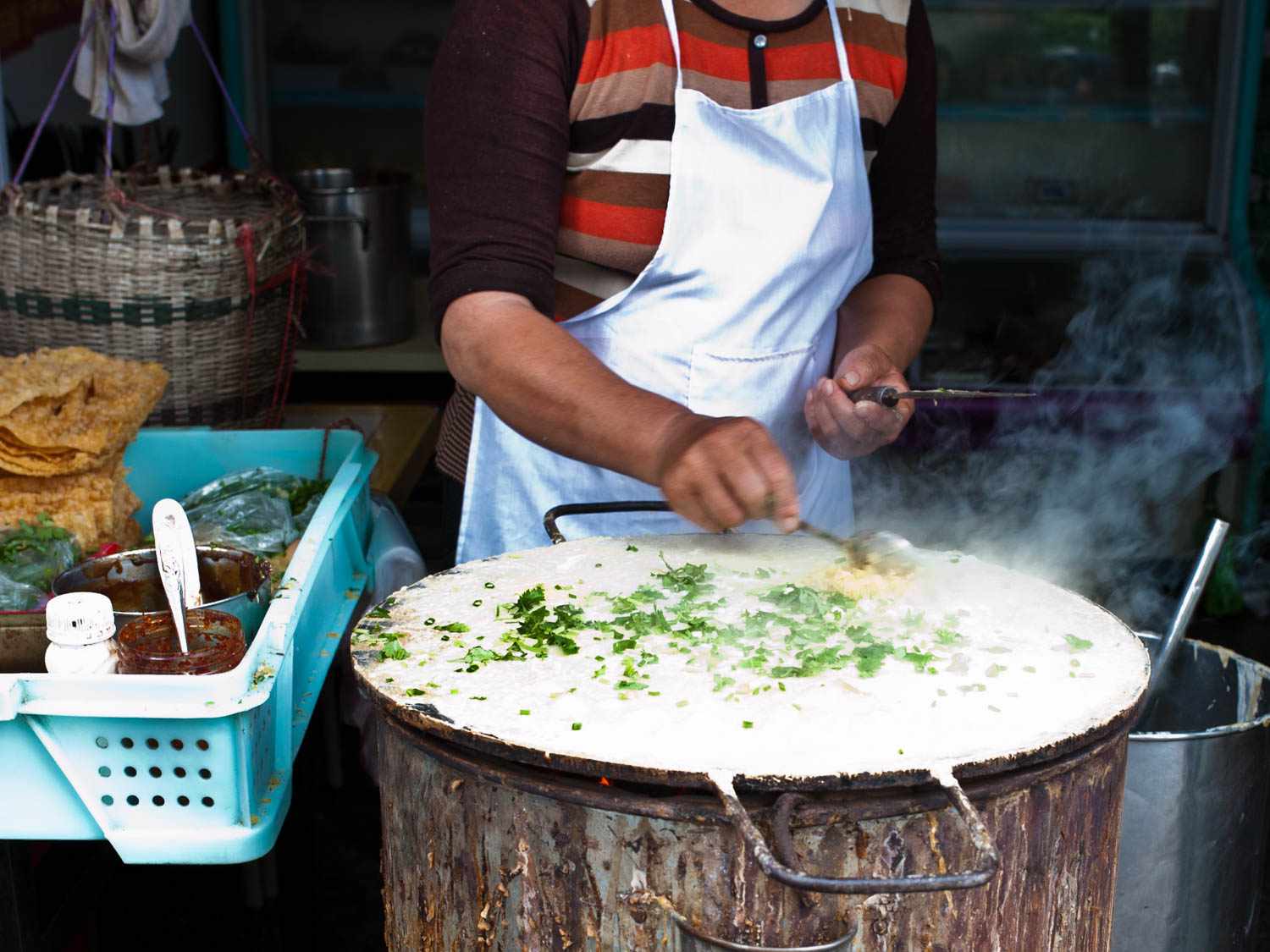
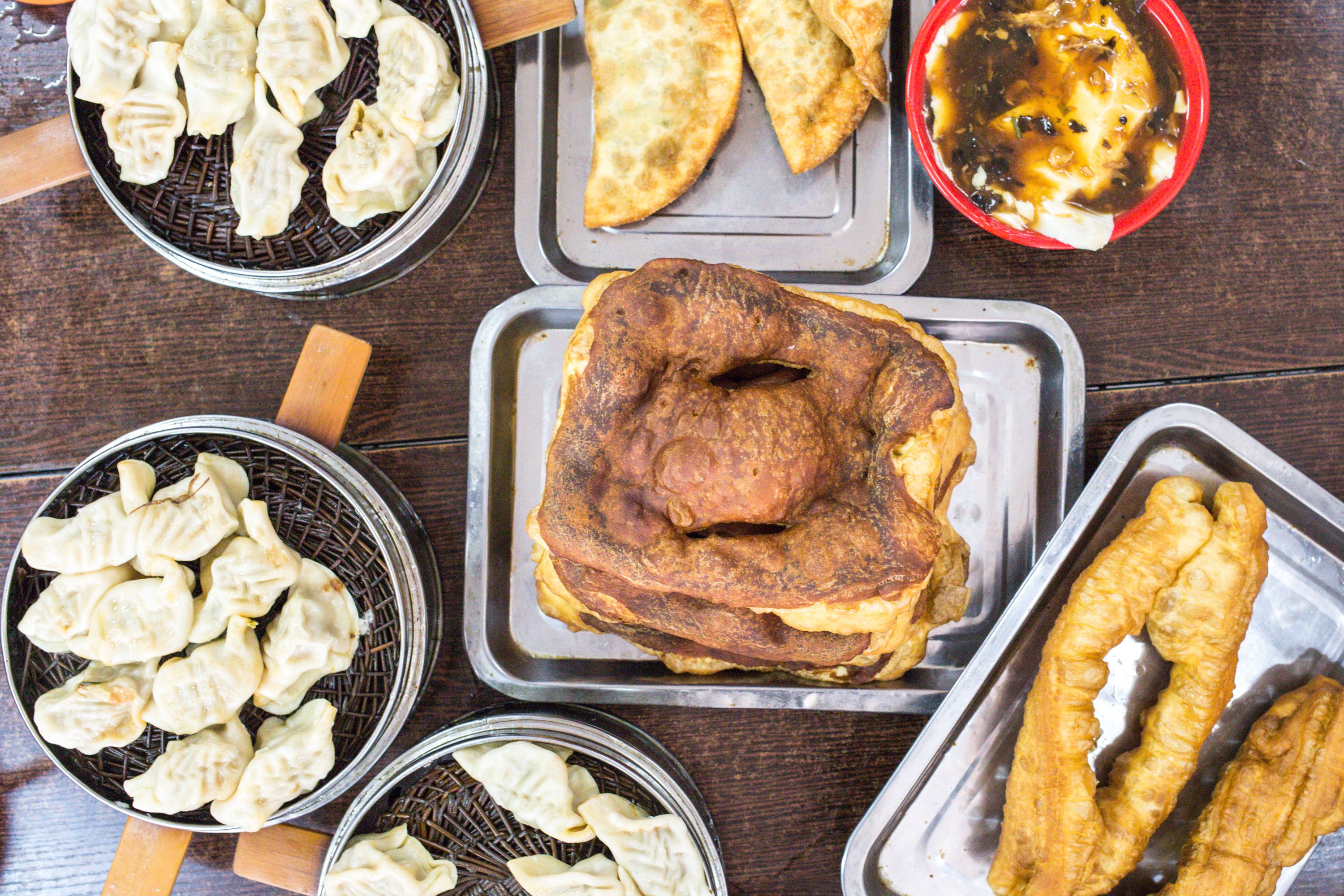
A Beijing hutong food tour channels centuries of street-vendor tradition into a walkable culinary map. Vendors position their carts and stalls at crossroads where foot traffic converges, selling jianbing from dawn griddles, lamb skewers over charcoal braziers, and tanghulu—candied hawthorn sticks that crackle under teeth. The Drum Tower area, historically the city's timekeeping center, now hosts open-air markets where stall operators flip scallion pancakes on flat irons and ladle douhua—silken tofu—into bowls topped with fermented bean paste. These dishes reflect Beijing's imperial and merchant past: roast duck technique refined in Qing kitchens, zhajiangmian noodles born in working-class canteens, baodu tripe boiled in techniques passed through Hui Muslim families.
Walking these alleys between 11:00 and 19:00 captures peak vendor activity, when steamer baskets stack three high and wok flames leap in open kitchens. The hutongs themselves are free to enter—a public maze of stone thresholds and red lanterns—but each dish requires cash or mobile payment at the point of sale. Private hutong food walking tours often include interpreter guides who translate menu boards written in dialect script and negotiate access to residential courtyard eateries closed to solo wanderers. Evening food tours pivot to night-market stalls near Houhai Lake, where beer pairs with cumin-dusted lamb and the scent of star anise drifts from simmering pots. The Lost Plate Beijing hutong evening food tour, for example, traces a fixed route through eight vendors, emphasizing recipes that predate the Republican era. What is the most popular food in Beijing remains contextual—Peking duck commands tourist attention, but locals queue for the fried liver and sesame buns sold from hutong doorways at breakfast hour.
"At their peak in the 1950s, over six thousand hutongs threaded through the capital."
A step-by-step walkthrough of Beijing Hutong Food tickets — what you'll see, how long each stage takes, and the details that matter.
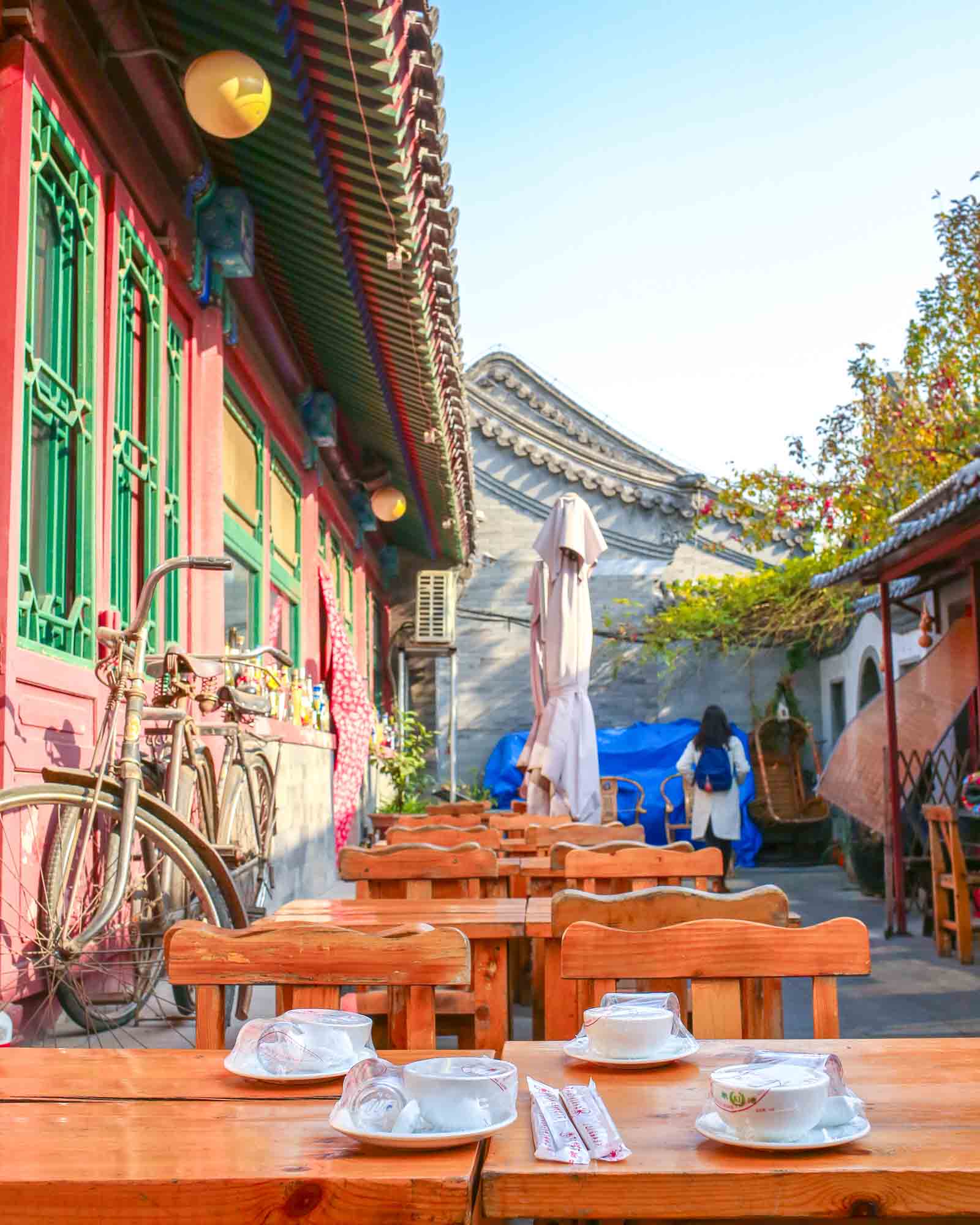
You enter the hutong network at Nanluoguxiang's southern gate, where the alley narrows to four meters and bicycles lean against doorframes painted ox-blood red. A vendor to your left flips jianbing on a circular griddle, cracking eggs directly onto the batter and folding in crisp wonton skin.
You pay eight yuan, take the wrap in wax paper, and walk north past a calligraphy shop and a shuttered courtyard home with a stone drum at its threshold.
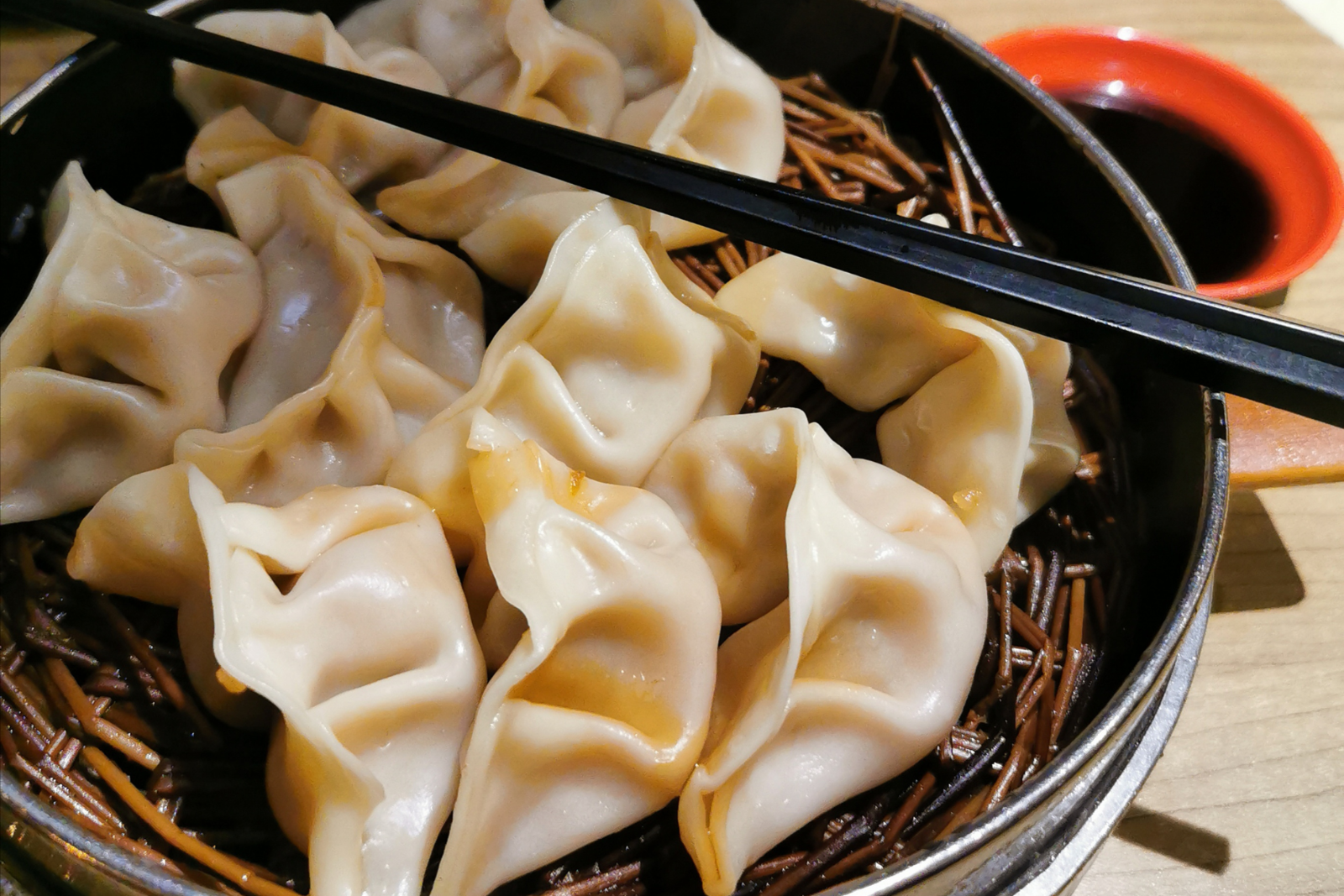
At the first crossroads you turn west into a quieter lane where a woman ladles douhua into ceramic bowls, each topped with pickled mustard greens and chili oil. You eat standing, the tofu dissolving on your tongue with a faint mineral sweetness. The Drum Tower rises ahead, its grey bulk framed by power lines and drying laundry. Beneath it, skewer vendors fan charcoal and rotate lamb over open flame, the fat hissing as it drips. You choose three skewers dusted with cumin and Sichuan peppercorn, the heat building with each bite.
As daylight softens you walk east toward Houhai, passing a steamed-bun stall where pork and leek filling leaks through translucent dough. The evening shift begins—beer carts roll into position, and a night-market stretch ignites with string lights. You pause at a tanghulu stand, selecting a stick of candied hawthorn that cracks under your teeth, tart and sweet, before the alley bends and the last vendor calls out in dialect you cannot parse but recognize as invitation.
Public hutongs in the Dongcheng District are accessible 00:00–23:59 every day. Individual vendors set their own hours, but the best activity is 11:00–19:00.
Access to the public hutongs is 0 CNY. You only pay for food purchases you make at local stalls.
The best arrival window is 11:00–19:00 to ensure market atmosphere. Autumn is a comfortable season for these tours.
The alleys are narrow with uneven surfaces, which may be challenging for those with limited mobility.
Yes, photography is permitted. Please respect the privacy of residents and avoid photographing home interiors.
Bring cash for food, a power bank, and comfortable walking shoes. Water and sun protection are also recommended.
Yes, families are welcome, but note that the area is often crowded and strollers should be compact.
You can take Subway Line 6 or 8 to Nanluoguxiang Station. Taxis are also a convenient way to reach the entrance.
Yes, the area is famous for local street food vendors and small, traditional restaurants.